
1 Abstract No. LBA15 Remote-Controlled Endovascular Navigation with a Miniature, Single-Use, Robotic System. Results of the ACCESS-PVI Trial Cornelis, F. et al. Journal of Vascular and Interventional Radiology, Volume 36, Issue 3, S235 – S236, Data on file
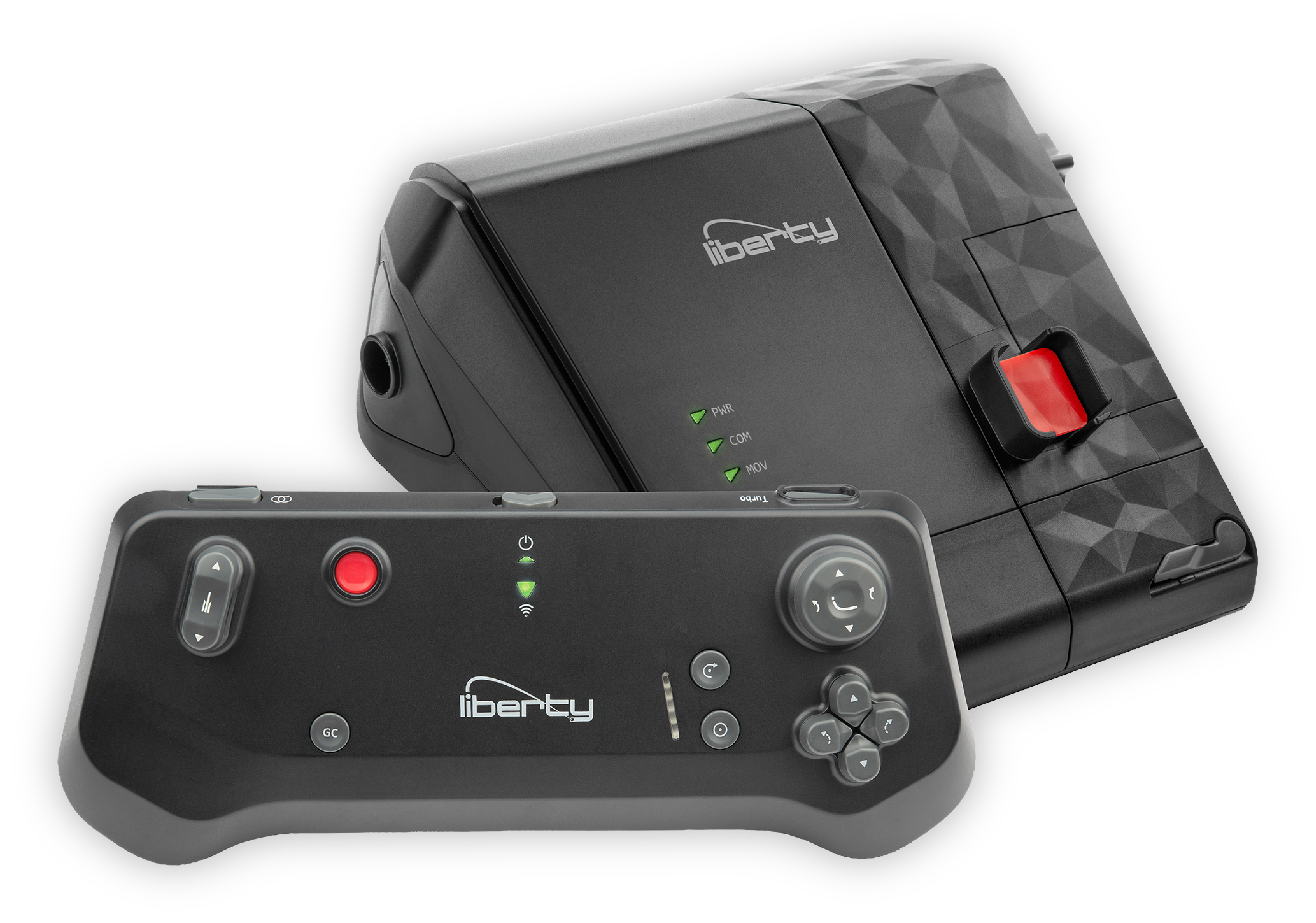
I believe my fellow interventional radiologists, as well as the hospital administrators, will gravitate to the LIBERTY Robotic System when it becomes commercially available because I believe it addresses many clinical and financial needs.

Vincent Vidal
Timone Hospital
As someone who does many interventional oncology procedures, I was impressed with how easy the system was to set up and how effortlessly I could get to my target.

Thierry Jacques De Baère
Institut Gustave Roussy Cancer Center
Having completed over 100 robotic cases in the interventional space using larger bulky capital equipment, I was immediately drawn to the LIBERTY technology and the barriers it breaks down.

Ripal T. Gandhi
Miami Cardiac & Vascular Institute
The LIBERTY Robotic System intrigued me from the first time I saw it, due primarily to the future I feel robotics will play in our field.

David C. Madoff
Yale Medical Center